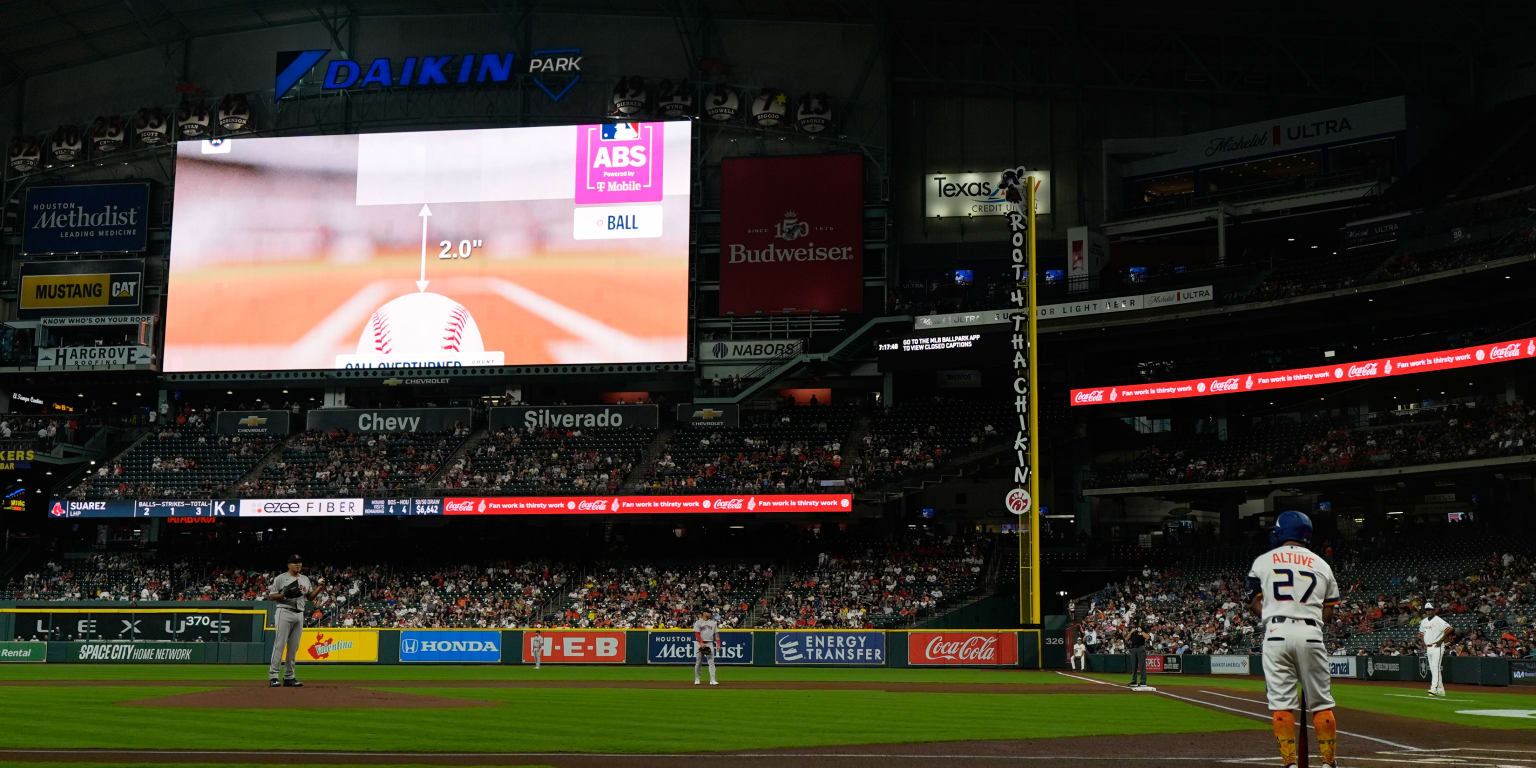
The ABS System Impact: How Automated Strikes Are Changing Major League Baseball
Major League Baseball, a sport steeped in tradition, is no stranger to evolution. From the introduction of the designated hitter to the recent clock rules, the league continually seeks to balance its rich history with the demands of a modern audience and improved fairness. Nowhere is this more evident than with the burgeoning implementation of the Automated Ball-Strike (ABS) system. What began as an experimental concept in the minor leagues has rapidly ascended, and its impact is already being felt across the highest echelons of professional baseball, reshaping everything from player strategy to the very role of the umpire. As fans and analysts flock to MLB.com for the latest news and updates, it's clear that this technological leap is not just a passing trend but a foundational shift.
In just a short span, the ABS system has begun to alter baseball in surprising and profound ways. The promise of a perfectly consistent strike zone, free from human error, is a game-changer for players, coaches, and the officials tasked with overseeing the game. But as with any monumental shift, it brings a unique set of challenges and opportunities. The conversation around ABS isn't just about technology; it's about the soul of baseball, the human element, and the constant quest for competitive integrity.
The Dawn of Robotic Umpires: Understanding ABS in MLB
The Automated Ball-Strike system, often dubbed "robot umpires," represents one of the most significant technological interventions in baseball history. At its core, ABS utilizes sophisticated camera and radar technology to precisely track pitches as they cross home plate. This data is then fed into a computer system that, based on pre-programmed rules defining the strike zone, instantaneously determines whether a pitch is a ball or a strike. This decision is then relayed to the home plate umpire, often via an earpiece, who then makes the traditional call.
The primary motivation behind ABS is to eliminate human error from the most fundamental call in baseball: the ball-strike decision. For decades, the judgment of the home plate umpire has been a source of endless debate, frustration, and occasional controversy. While human judgment adds a certain organic unpredictability to the game, it can also lead to inconsistencies that impact outcomes and player performance. With ABS, the strike zone becomes a fixed, objective entity, applied uniformly to every pitch and every batter, regardless of the umpire behind the plate. This immediate consistency means pitchers know exactly what they need to hit, and hitters know precisely which pitches they must protect. Early observations, as widely reported on MLB.com's news feeds, confirm that this system is already pushing players to adapt rapidly, forcing them to be "comfortable being uncomfortable" in a new paradigm.
Adjusting to the New Normal: Players, Umpires, and Strategy
The introduction of ABS isn't just a technical upgrade; it's a fundamental recalibration of the game that demands significant adjustments from all involved parties.
Impact on Players
- Pitchers: The traditional art of "working the umpire" or relying on a generous strike zone for certain pitch locations is now obsolete. Pitchers must be ruthlessly precise, focusing on painting the corners and hitting the edges of the objective strike zone. Command and control become even more paramount. Breaking balls that might have previously stolen a strike just below the zone will now definitively be balls, demanding better execution.
- Hitters: Conversely, hitters gain newfound certainty. They no longer have to guess about an umpire's personal strike zone or contend with pitches that might have been called strikes on a particular day. This could lead to more patient at-bats, a reduction in chasing pitches just outside the zone, and potentially more walks and higher on-base percentages. Players like the third baseman in Boston, who redeemed himself after an 0-for-19 start, will still face fan scrutiny, but the foundation of what constitutes a "strike" will be clear.
- Catchers: Perhaps no position is more affected than the catcher. The art of pitch framing – subtly manipulating a borderline pitch to appear as a strike to the umpire – becomes largely irrelevant. Catchers will shift their focus entirely to blocking, receiving, and game calling, potentially opening up new avenues for evaluating and developing talent behind the plate. This dynamic is especially relevant for teams like the Blue Jays, who recently placed Alejandro Kirk on the 10-day IL due to a thumb fracture, forcing them to rely on Brandon Valenzuela and Tyler Heineman. Their ability to adapt quickly to the nuances of ABS could be critical. You can read more about their situation in Blue Jays Catcher Crisis: Kirk Out, Valenzuela Steps Up.
The Evolving Role of Umpires
For former umpires watching their brethren deal with ABS, there's a mix of sympathy and pain. The human element of making the call, the judgment under pressure, has long been a defining aspect of the job. With ABS, the home plate umpire's role shifts from primary arbiter of balls and strikes to more of an enforcer of the system and overseer of the game's flow. They still handle check swings, balks, and other rule interpretations, but the core ball-strike calls are automated. This transition demands a new skill set: trusting the technology, communicating the calls effectively, and managing the game while less of the spotlight is on their judgment. The pressure on all involved parties, including teams like the Giants who are feeling it in 2026, extends to how these new dynamics are embraced.
Strategic Implications for Teams
Teams are already adapting their scouting, player development, and in-game strategies. Player metrics related to pitch location and plate discipline will gain new importance. For instance, the Mariners' bold decision to sign infielder Colt Emerson to an eight-year, $95 million extension before his MLB debut highlights a trend of investing in future talent, a future that will undoubtedly be shaped by technologies like ABS. Dive deeper into this landmark deal in Colt Emerson's Bold Deal: Mariners Bet Big Pre-MLB Debut. Analytics departments will be working overtime to understand the optimal pitching and hitting approaches within a fully objective strike zone. The competitive landscape of Major League Baseball is undergoing a quiet revolution, driven by data and precision.
Beyond the Strike Zone: The Broader MLB Landscape
The ABS system, while focused on one critical aspect of the game, has ripple effects across the entire Major League Baseball experience. It underscores a larger narrative about how the sport is balancing its cherished traditions with modern innovation. While fans celebrate milestones like the White Sox retiring Ozzie Guillén's lucky No. 13 – a testament to history and legend – they are simultaneously witnessing the ushering in of a new technological era.
From a fan perspective, ABS could lead to fewer controversial calls, potentially streamlining games and reducing arguments that can sometimes disrupt the flow. While some purists may lament the loss of the human element and the heated debates over blown calls, many others will appreciate the enhanced fairness and consistency. The drama, however, will remain. Stories like Griffin's meticulously rehearsed MLB debut or the 43-year-old player battling injury after a March 30th outing continue to be the heart of the game, irrespective of how balls and strikes are called. These human narratives, the triumphs and struggles, are what draw millions to MLB.com daily for news, scores, and standings.
The challenges extend beyond the field. The ongoing discussions about MLB's leadership, as hinted by figures like Harry Marino, indicate that the league is in a constant state of internal evaluation and reform, with rule changes like ABS being part of a broader strategy for growth and modernization. The ultimate goal, as always, is to present the best possible version of baseball to its global audience, blending the nostalgia of its past with the cutting-edge possibilities of its future.
Conclusion
The Automated Ball-Strike system is undoubtedly one of the most transformative developments in recent Major League Baseball history. Its impact is far-reaching, fundamentally altering how pitchers approach their craft, how hitters strategize at the plate, and how umpires perform their duties. While the full scope of its long-term effects is still unfolding, it's clear that ABS is pushing baseball into a new era of precision and consistency. As the game evolves, embracing technology while striving to maintain its captivating human element, fans can continue to follow every pitch, every score, and every breaking news story on platforms like MLB.com, witnessing firsthand how the beloved national pastime adapts and thrives in the 21st century.